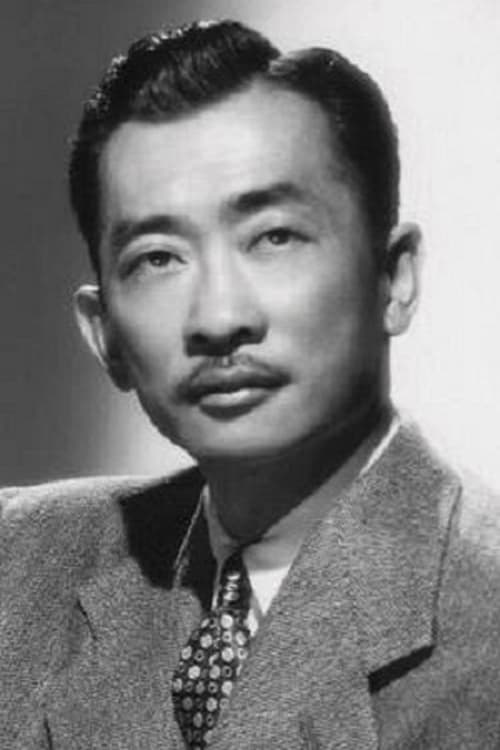
Richard Loo
Biography
Richard Loo (October 1, 1903 – November 20, 1983) was an American film actor who was one of the most familiar Asian character actors in American films of the 1930s and 1940s. He appeared in more than 120 films between 1931 and 1982.
Chinese by ancestry and Hawaiian by birth, Loo spent his youth in Hawaii, then moved to California as a teenager. He graduated from the University of California at Berkeley and began a career in business.
The sto...
Richard Loo (October 1, 1903 – November 20, 1983) was an American film actor who was one of the most familiar Asian character actors in American films of the 1930s and 1940s. He appeared in more than 120 films between 1931 and 1982.
Chinese by ancestry and Hawaiian by birth, Loo spent his youth in Hawaii, then moved to California as a teenager. He graduated from the University of California at Berkeley and began a career in business.
The stock market crash of 1929 and the subsequent economic depression forced Loo to start over. He became involved with amateur, then professional, theater companies and in 1931 made his first film. Like most Asian actors in non-Asian countries, he played primarily small, stereotypical roles, though he rose quickly to familiarity, if not fame, in a number of films.
His stern features led him to be a favorite movie villain, and the outbreak of World War II gave him greater prominence in roles as vicious Japanese soldiers in such successful pictures as The Purple Heart (1944) and God Is My Co-Pilot (1945). Loo was most often typecast as the Japanese enemy pilot, spy or interrogator during World War II. In the film The Purple Heart he plays a Japanese Imperial Army general who commits suicide because he cannot break down the American prisoners. According to his daughter, Beverly Jane Loo, he didn't mind being typecast as a villain in these movies as he felt very patriotic about playing those parts.
In 1944 he appeared as a Chinese army lieutenant opposite Gregory Peck in The Keys of the Kingdom. He had a rare heroic role as a war-weary Japanese-American soldier in Samuel Fuller's Korean War classic The Steel Helmet (1951), but he spent much of the latter part of his career performing stock roles in films and minor television roles.
In 1974 he appeared as the Thai billionaire tycoon Hai Fat in the James Bond film The Man with the Golden Gun, opposite Roger Moore and Christopher Lee.
Loo was also a teacher of Shaolin monks in three episodes of the 1972–1975 hit TV series Kung Fu and made a further three appearances as a different character. His last acting appearance was in The Incredible Hulk TV series in 1981, but he continued to act in Toyota commercials into 1982.
Loo died of a cerebral hemorrhage on November 20, 1983, age 80.
[biography (excerpted) from Wikipedia]
Top Movies & Series
Perry Mason
Bonanza
Maverick
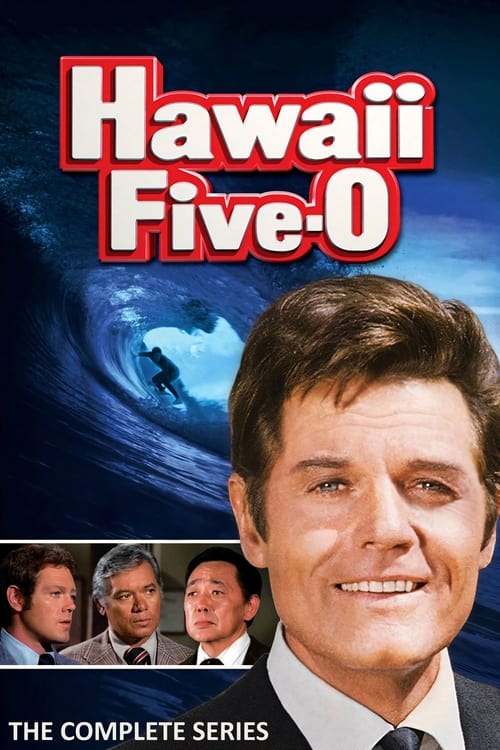
Hawaii Five-O

Bewitched
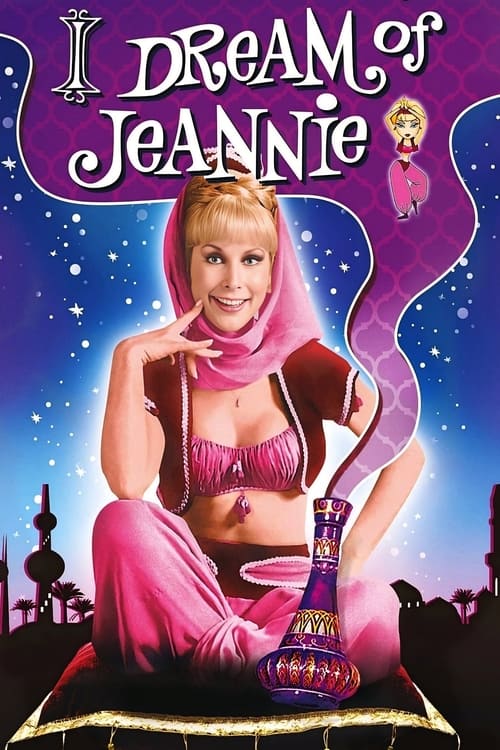
I Dream of Jeannie
The Dick Cavett Show
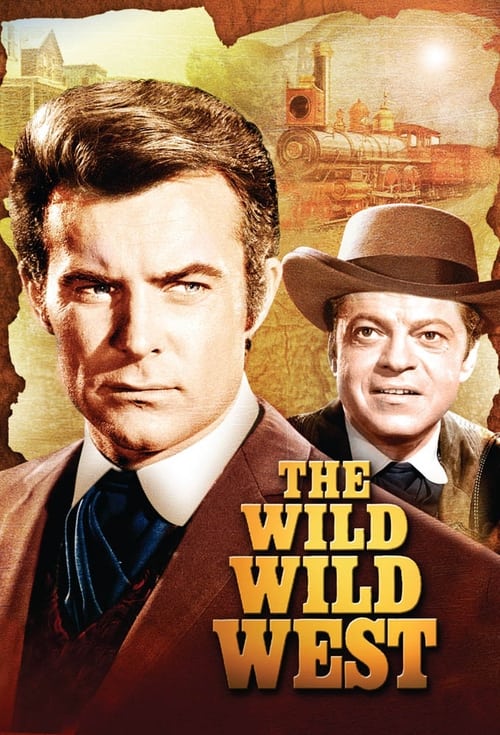
The Wild Wild West
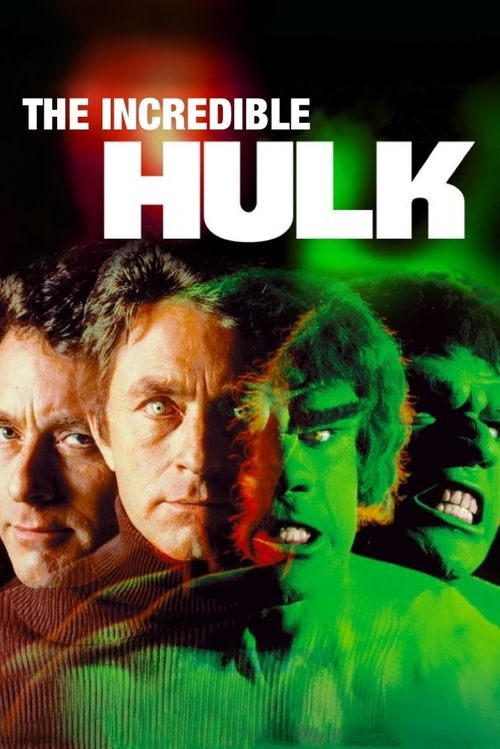
The Incredible Hulk
My Three Sons
Studio One
Four Star Playhouse
Family Affair
The Outer Limits
Burke's Law
The Colgate Comedy Hour
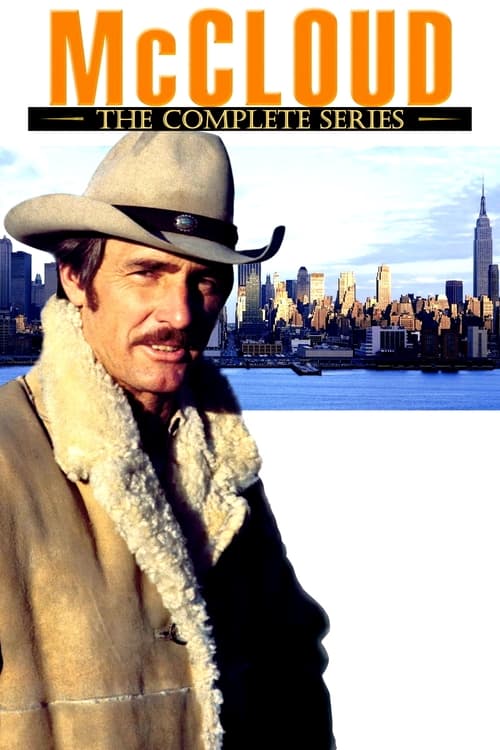
McCloud
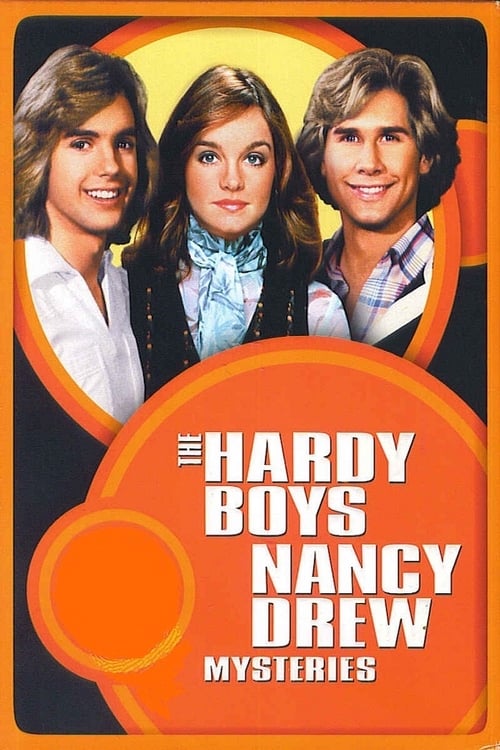
The Hardy Boys / Nancy Drew Mysteries
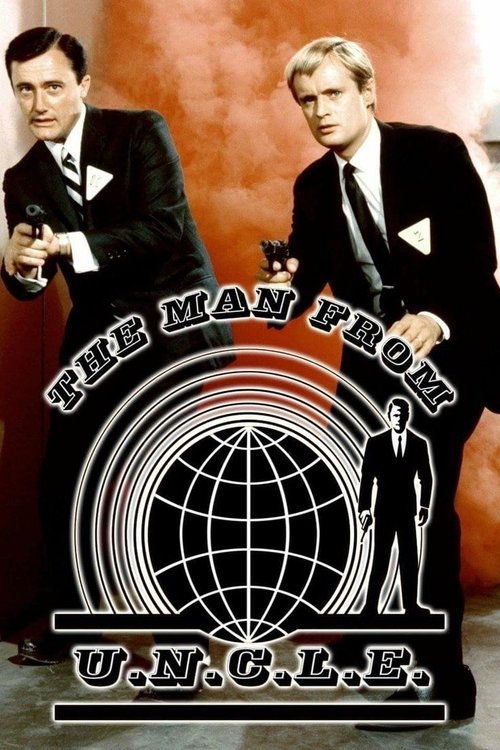
The Man from U.N.C.L.E.
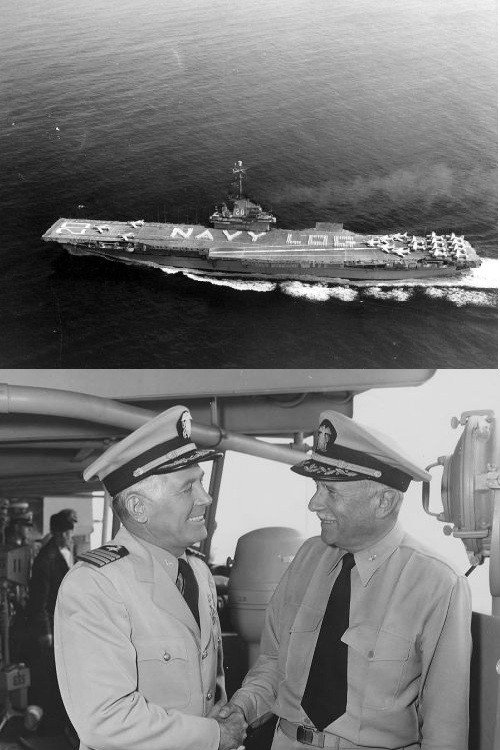
Navy Log
Police Story
Honey West

December Bride
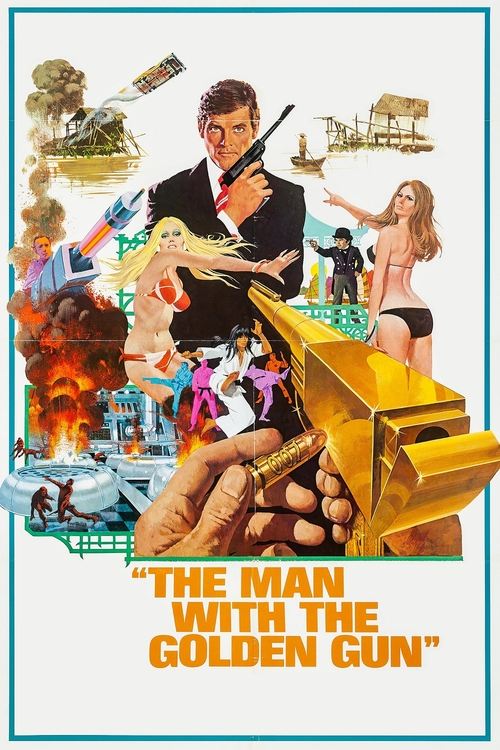
The Man with the Golden Gun