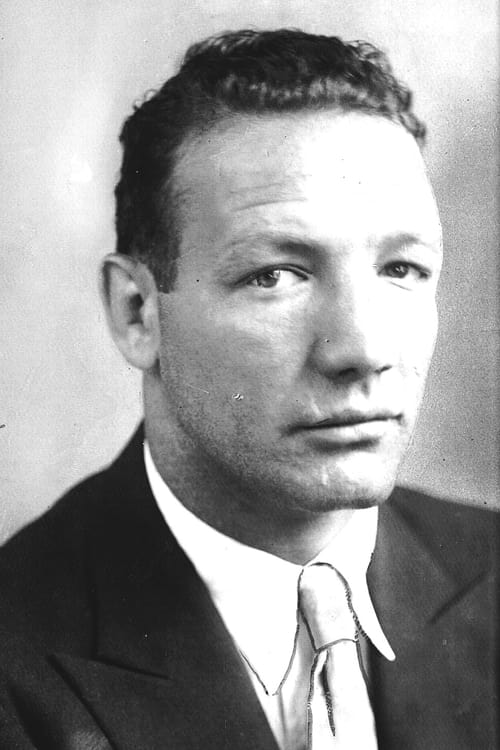
Maxie Rosenbloom
Biography
From Wikipedia, the free encyclopedia
Max Everitt Rosenbloom (November 1, 1907 – March 6, 1976) was an American boxer, actor, and television personality. Born in Leonard Bridge, Connecticut, Rosenbloom was nicknamed "Slapsie Maxie" by a journalist due to his open-gloved style of boxing. In 1930, he won the New York light heavyweight title. In 1932, he won the World Light Heavyweight Championship. He held and defended the title until November...
From Wikipedia, the free encyclopedia
Max Everitt Rosenbloom (November 1, 1907 – March 6, 1976) was an American boxer, actor, and television personality. Born in Leonard Bridge, Connecticut, Rosenbloom was nicknamed "Slapsie Maxie" by a journalist due to his open-gloved style of boxing. In 1930, he won the New York light heavyweight title. In 1932, he won the World Light Heavyweight Championship. He held and defended the title until November 1934, when he lost it to Bob Olin. As a professional boxer, Rosenbloom relied on hitting and moving to score points. He was very difficult to hit cleanly with a power punch and his fights often went the full number of required rounds. In his boxing career, he received thousands of punches to the head, which eventually led to the deterioration of his motor functions.
In 1937, he accepted a role in a Hollywood film. He became a character actor, portraying comical "big guys" in movies that included Each Dawn I Die, and Maxie retired from boxing permanently in 1939. Slapsy Maxie's, the first comedy club, opened in San Francisco and Los Angeles. He continued acting on radio, television, and in a number of films, usually playing comedy roles as a big, clumsy, punch-drunk—but lovable—character. He appeared in a number of episodes (playing himself) of The Fred Allen Show—including a skit with Marlene Dietrich. Rosenbloom played an important part in television's first 90-minute drama, Requiem for a Heavyweight, written by Rod Serling, and starring Jack Palance as a boxer at the end of his career. Rosenbloom played an ex-boxer, whose life revolved around retelling old boxing stories night after night to other ex-boxers in a down-and-out bar. It is the fate that looms for Mountain McClintock, Palance's character, if he cannot adjust to a new life outside the ring.
Slapsy Maxie's, his nightclub, is prominently featured in a 2013 crime film, Gangster Squad, which is set in 1949. The club, which actually operated in 1939 at 7165 Beverly Blvd and from 1943 to 1947, was located at 5665 Wilshire Blvd. in Los Angeles.
Top Movies & Series
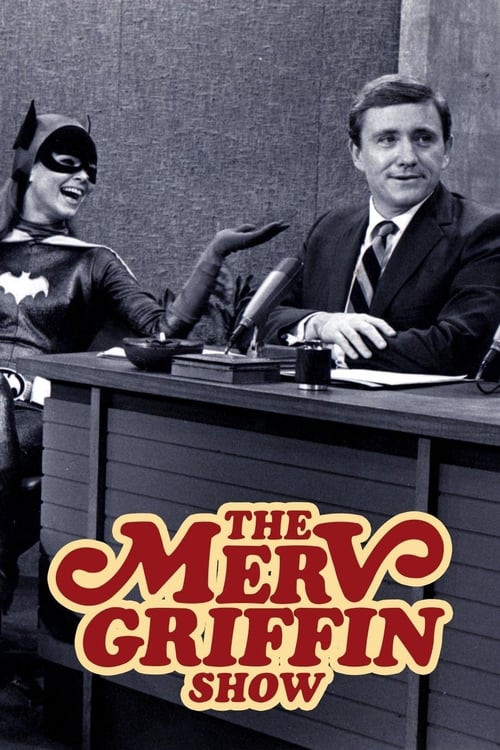
The Merv Griffin Show
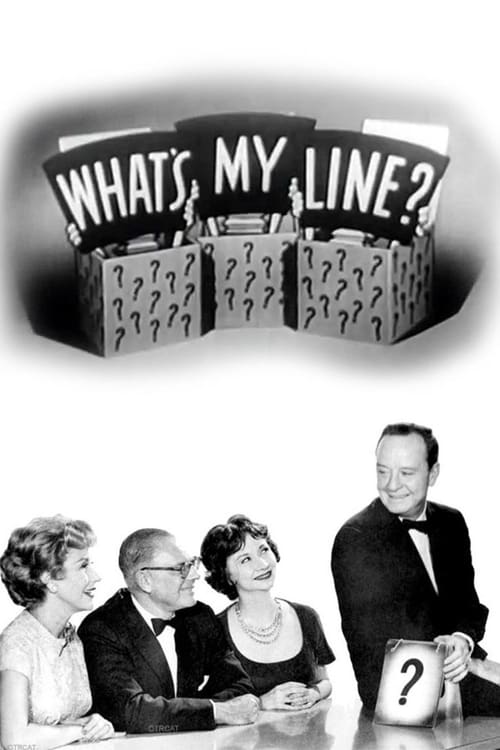
What's My Line?

The Donna Reed Show
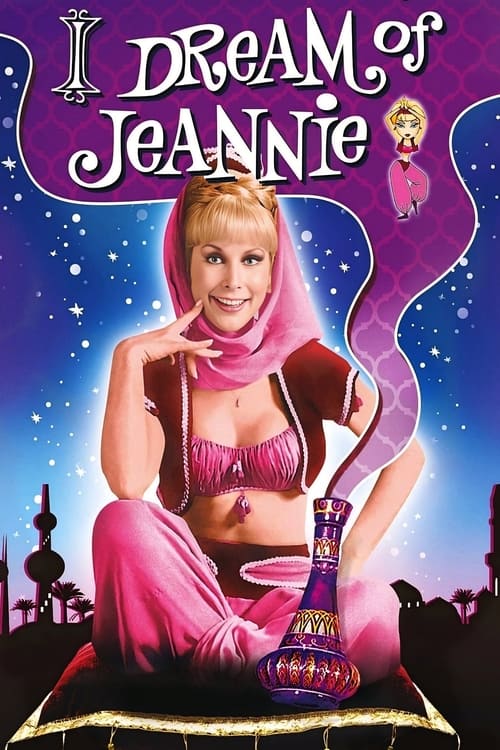
I Dream of Jeannie
The Munsters
The Man from U.N.C.L.E.

Westinghouse Desilu Playhouse
Playhouse 90

The Bellboy
Ringside Maisie
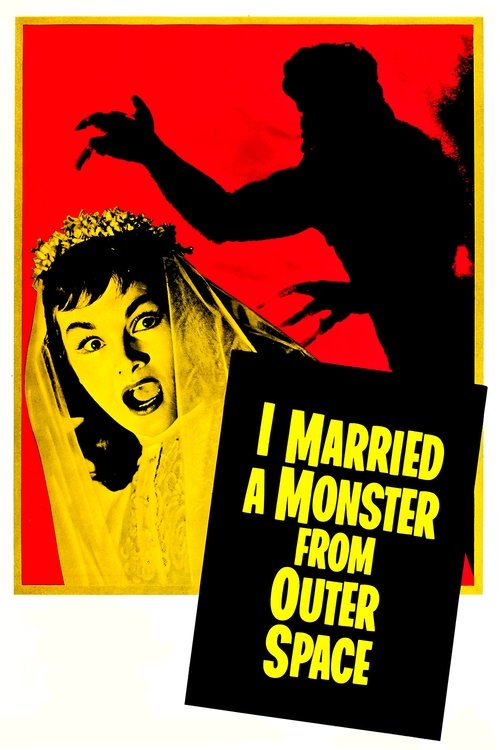
I Married a Monster from Outer Space
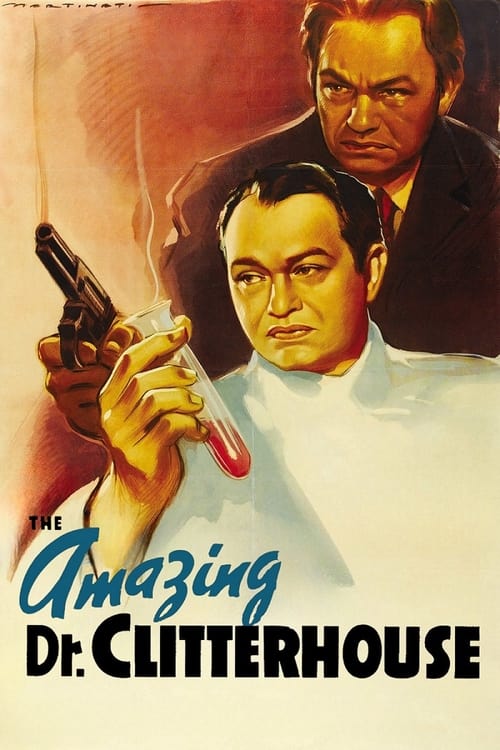
The Amazing Dr. Clitterhouse
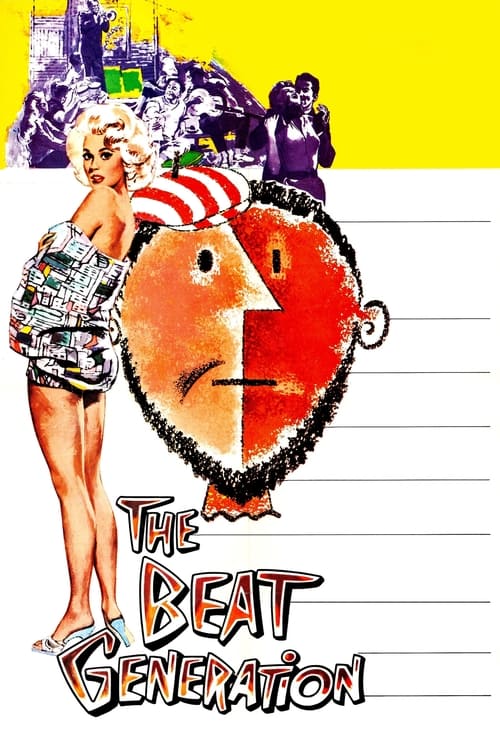
The Beat Generation
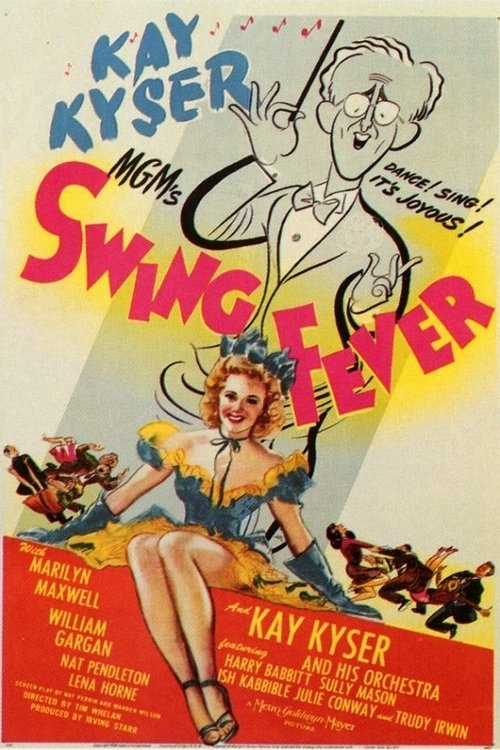
Swing Fever
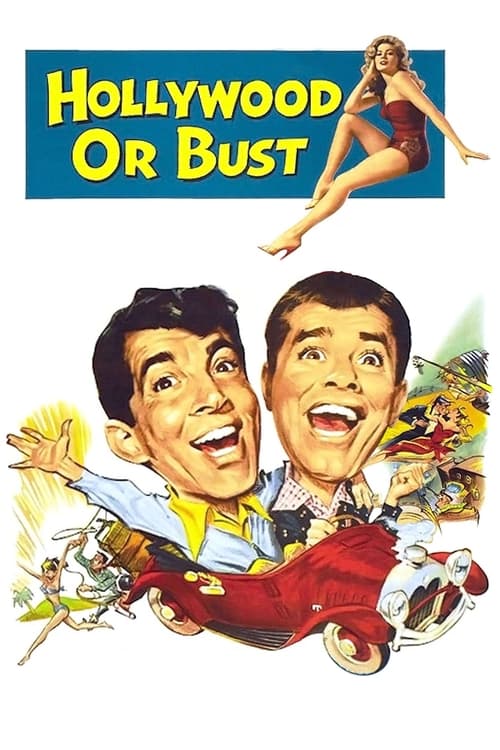
Hollywood or Bust
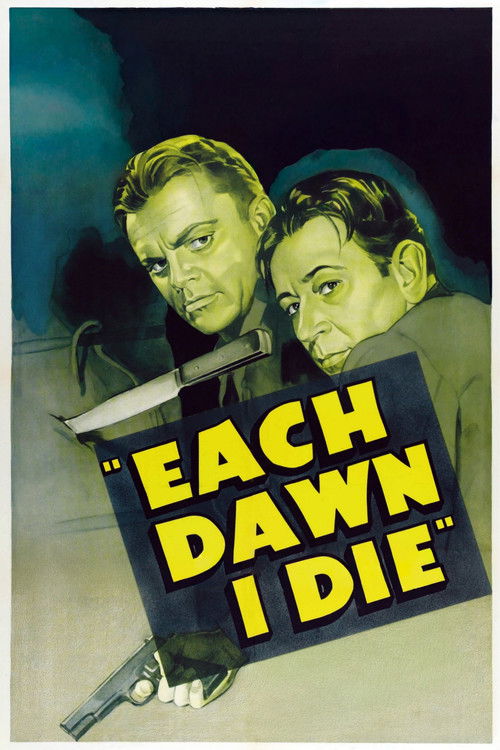
Each Dawn I Die
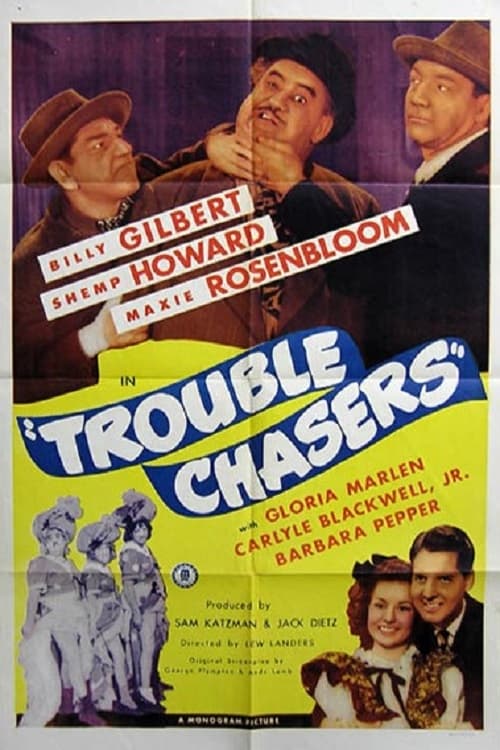
Trouble Chasers

Mister Universe
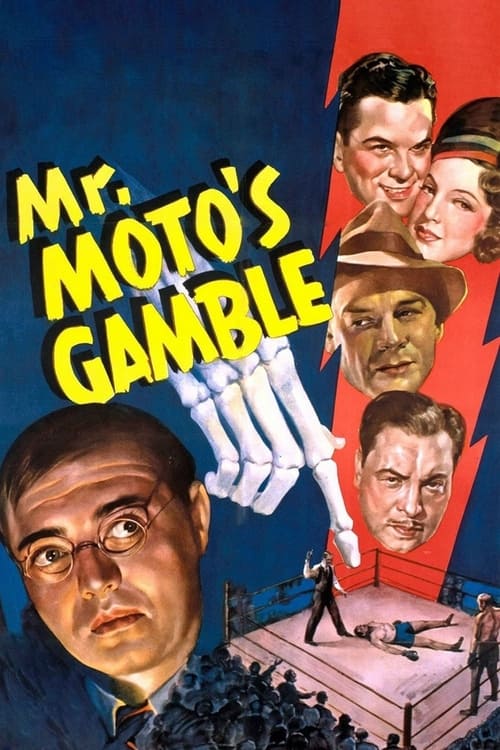
Mr. Moto's Gamble
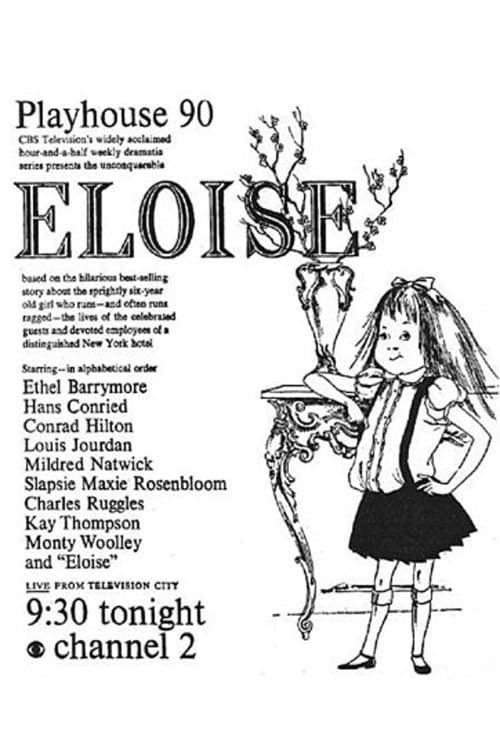
Eloise
Submarine Patrol
Men in Her Diary
Follow the Boys
Nothing Sacred