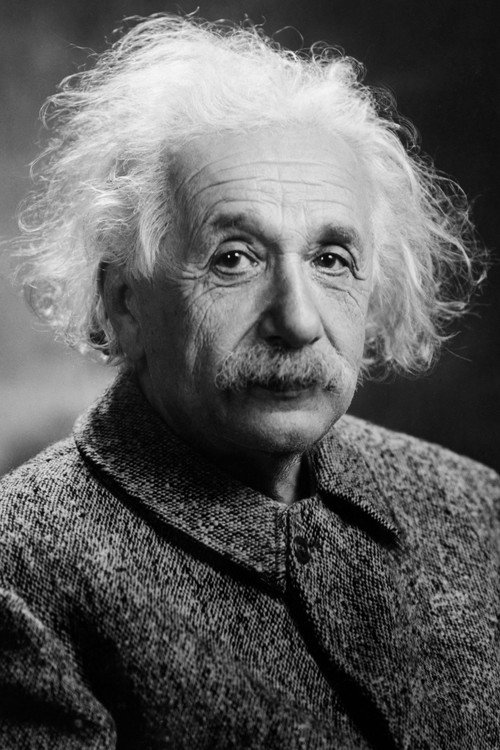
Albert Einstein
Biography
Albert Einstein (14 March 1879 – 18 April 1955) was a German-born theoretical physicist who developed the theory of relativity, one of the two pillars of modern physics (alongside quantum mechanics). His work is also known for its influence on the philosophy of science. He is best known to the general public for his mass–energy equivalence formula E = mc2, which has been dubbed "the world's most famous equation". He received the 1921 Nobel Pri...
Albert Einstein (14 March 1879 – 18 April 1955) was a German-born theoretical physicist who developed the theory of relativity, one of the two pillars of modern physics (alongside quantum mechanics). His work is also known for its influence on the philosophy of science. He is best known to the general public for his mass–energy equivalence formula E = mc2, which has been dubbed "the world's most famous equation". He received the 1921 Nobel Prize in Physics "for his services to theoretical physics, and especially for his discovery of the law of the photoelectric effect", a pivotal step in the development of quantum theory.
From Wikipedia, the free encyclopedia
Top Movies & Series
Ancient Aliens
How the Universe Works
History 101

Turning Point: The Bomb and the Cold War
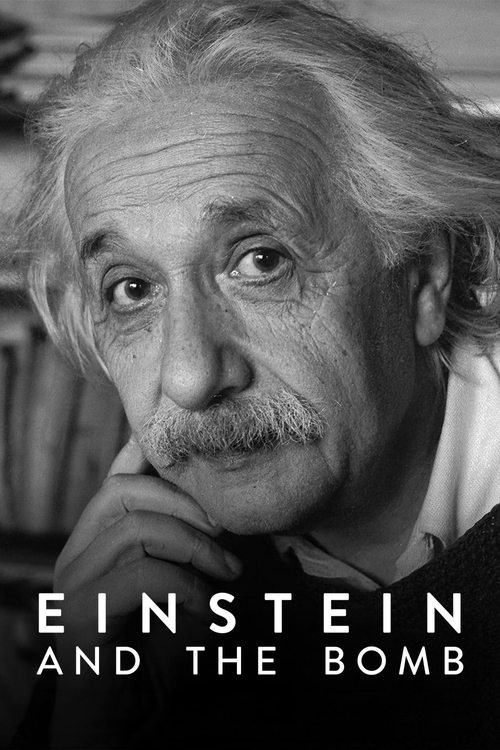
Einstein and the Bomb

Greatest Events of World War II in Colour
Crusade in Europe
Orwell: 2+2=5
Einstein and Hawking: Unlocking the Universe
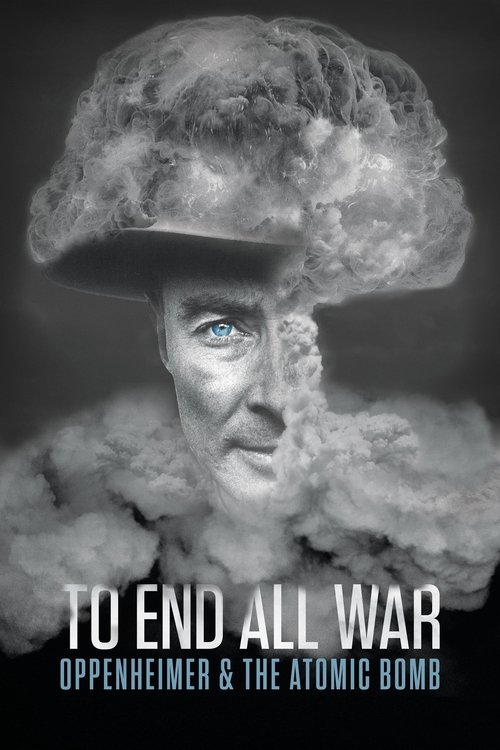
To End All War: Oppenheimer & the Atomic Bomb

The Century of Icons

Icons
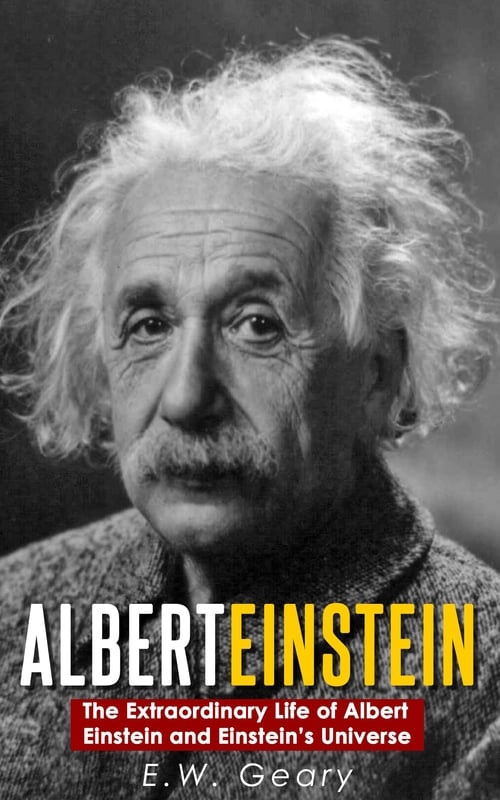
The Extraordinary Genius of Albert Einstein

Naqoyqatsi

Hitler: A Career

Trinity and Beyond: The Atomic Bomb Movie
The Science of Interstellar

Swastika
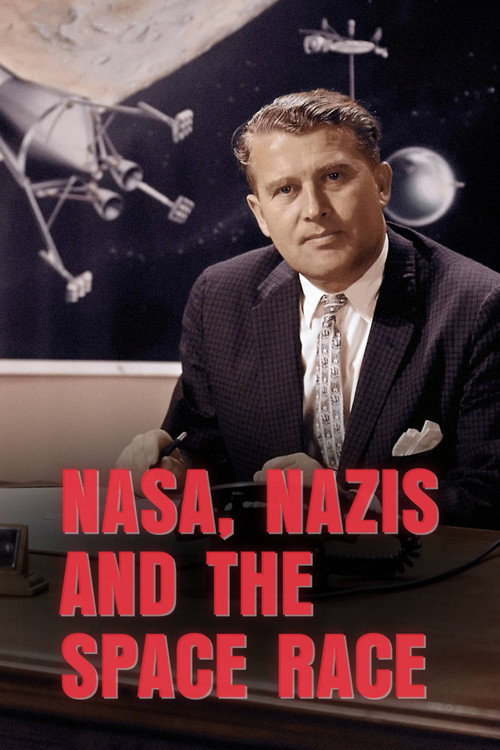
NASA, Nazis and the Space Race

Champagne for Caesar

Thrive: What on Earth Will it Take?

Radio Bikini

Star Trek: Secrets of the Universe
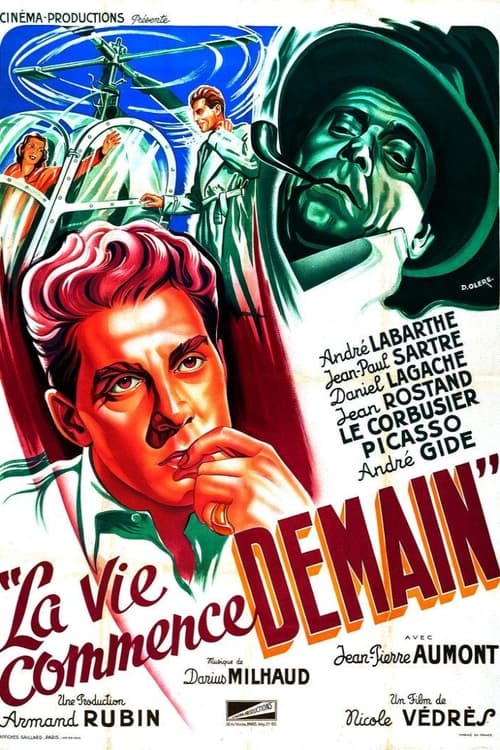
Life Begins Tomorrow