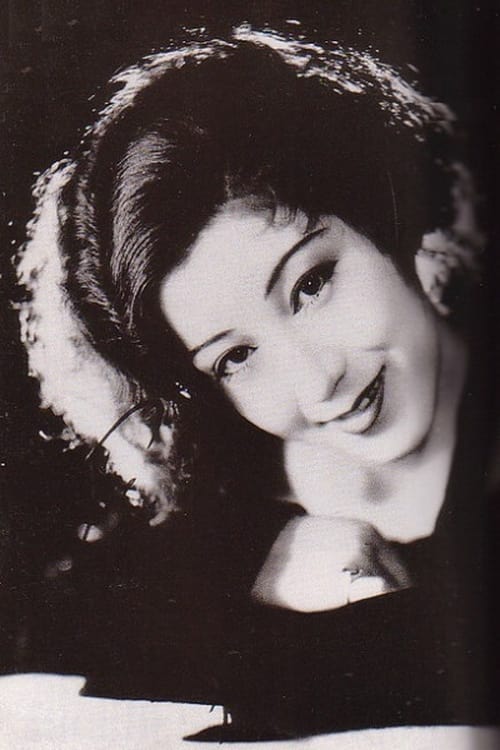
Takako Irie
Biography
Takako Irie (入江 たか子 Irie Takako, 7 February 1911 – 12 January 1995) was a Japanese film actress. Born in Tokyo into the aristocratic Higashibōjō family (her birth name was Hideko Higashibōjō (東坊城 英子 Higashibōjō Hideko)), she graduated from Bunka Gakuin before debuting as an actress at Nikkatsu in 1927. She became a major star, even starting her own production company, Irie Productions, in 1932. One of Kenji Mizoguchi's silent film ma...
Takako Irie (入江 たか子 Irie Takako, 7 February 1911 – 12 January 1995) was a Japanese film actress. Born in Tokyo into the aristocratic Higashibōjō family (her birth name was Hideko Higashibōjō (東坊城 英子 Higashibōjō Hideko)), she graduated from Bunka Gakuin before debuting as an actress at Nikkatsu in 1927. She became a major star, even starting her own production company, Irie Productions, in 1932. One of Kenji Mizoguchi's silent film masterpieces, The Water Magician, was produced at that company with Irie starring. She appeared in many advertisements, as well as on fans and other commercial goods. Irie was also the subject of a folding screen painting by Nihonga artist Nakamura Daizaburō, which appeared in the 1930 Teiten (Imperial Exhibition), and which is today in the collection of the Honolulu Museum of Art; toy dolls were also produced based on this image.
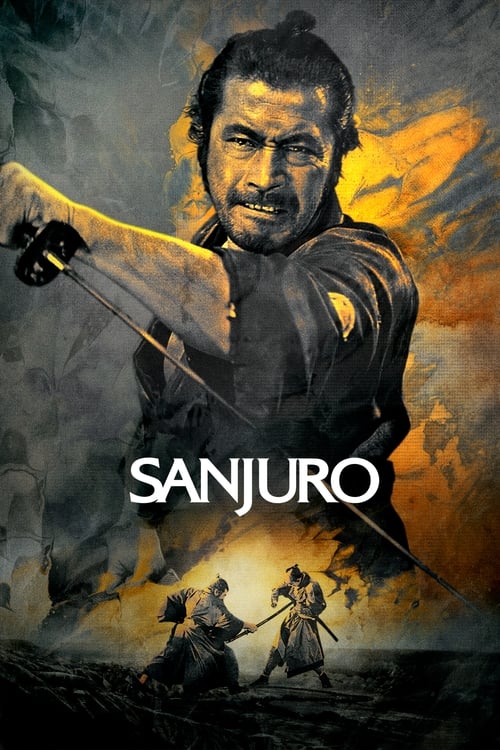
In the postwar period, Irie became known as a "ghost cat actress" (bakeneko joyū) for appearing in a series of kaidan (ghost story) movies. One of her late memorable roles was in Akira Kurosawa's Sanjuro, where she plays Mutsuta's wife, the lady who warns Sanjuro (Toshirō Mifune) that "the best sword stays in its scabbard".
Top Movies & Series
Sanjuro
Dekoboko taikōki

The Girl Who Leapt Through Time
Kenji Mizoguchi: The Life of a Film Director
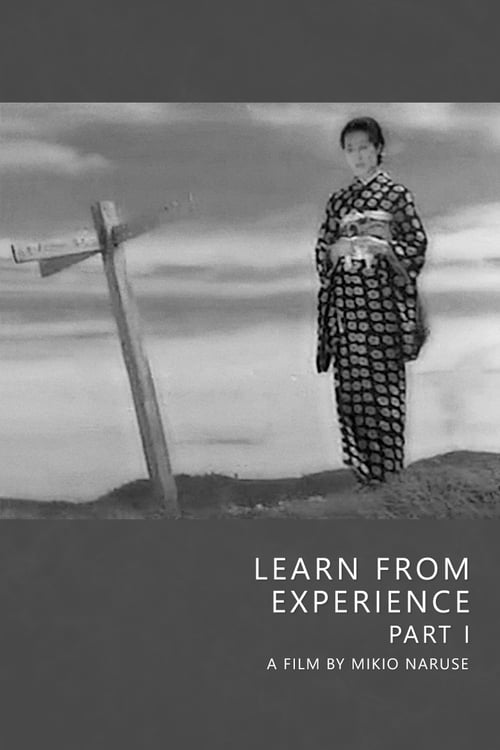
Learn from Experience, Part One
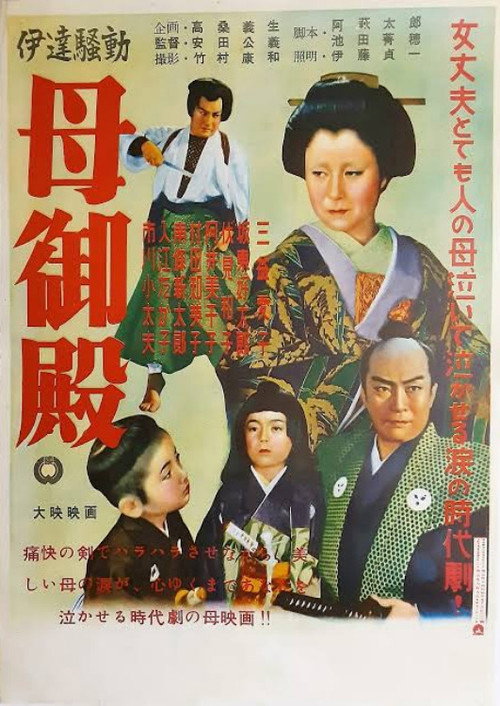
Date sōdō: Haha goten
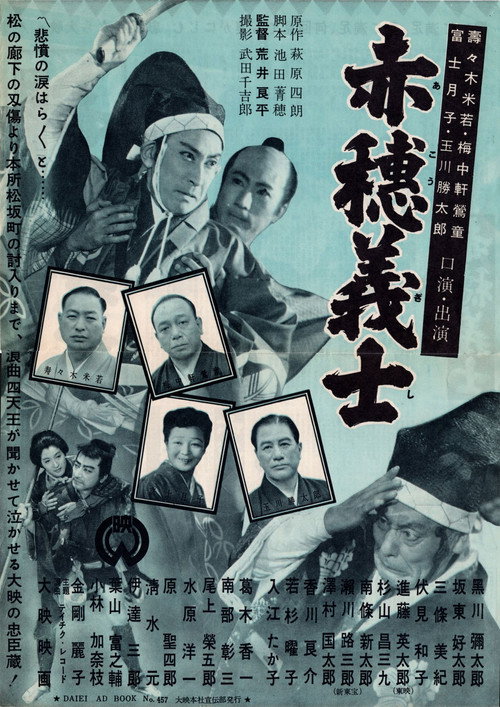
Akōgishi
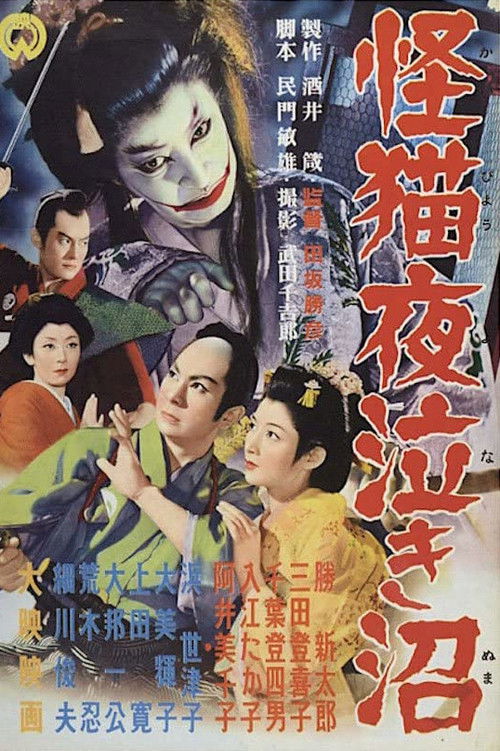
Ghost-Cat of Yonaki Swamp
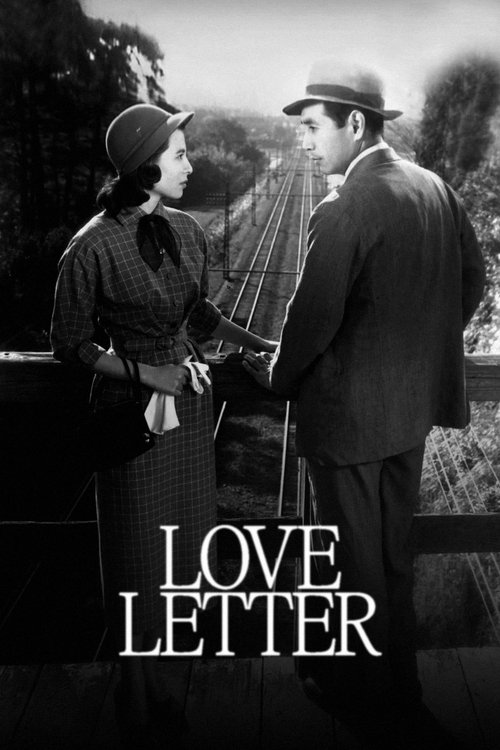
Love Letter
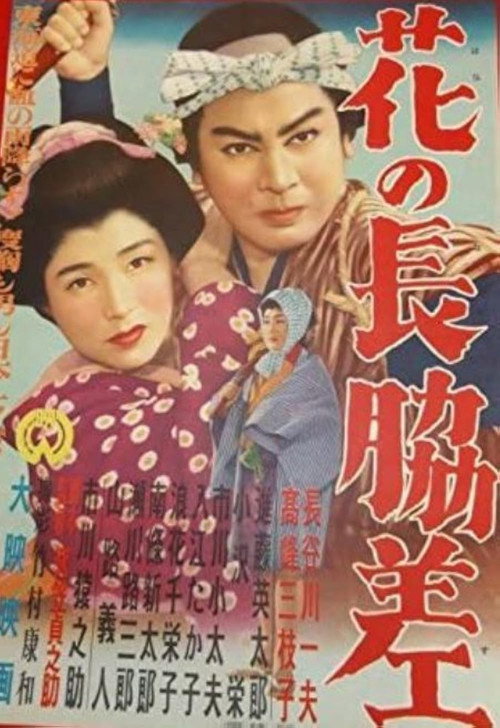
Hana no nagadosu
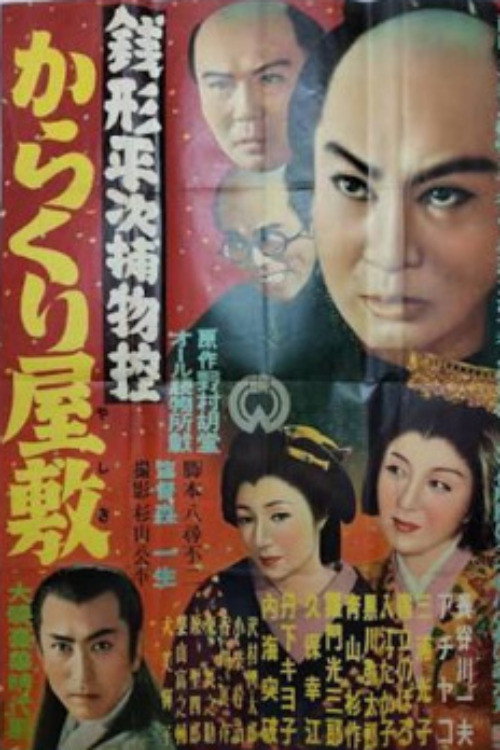
Zenigata heiji torimono hikae: Karakuri yashiki
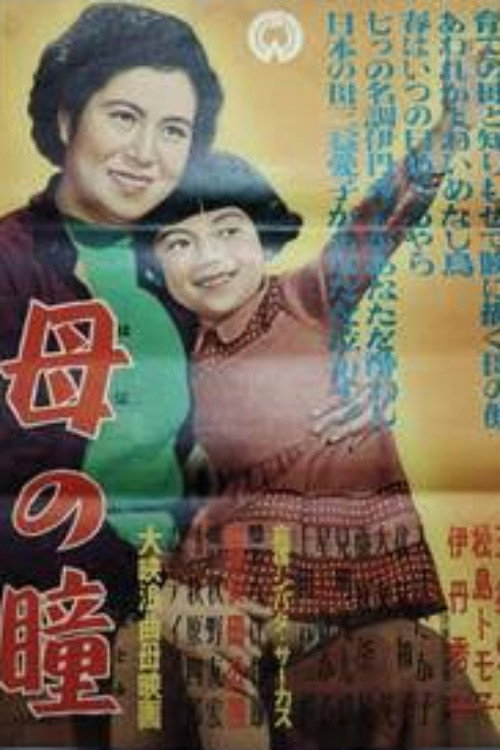
Haha no hitomi
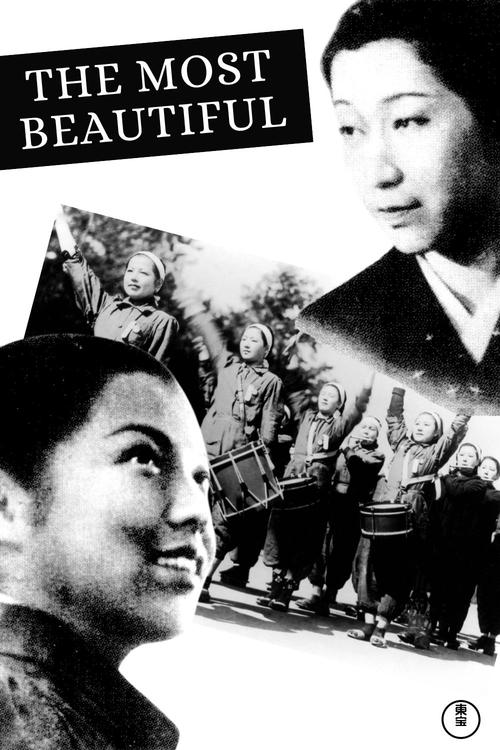
The Most Beautiful
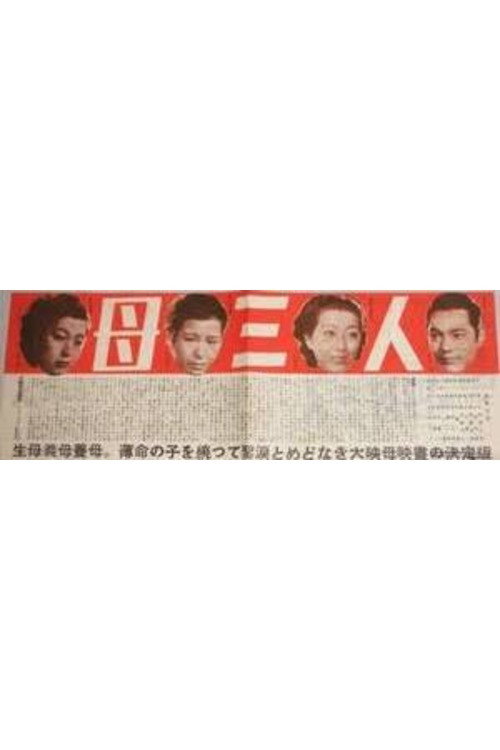
Three Mothers
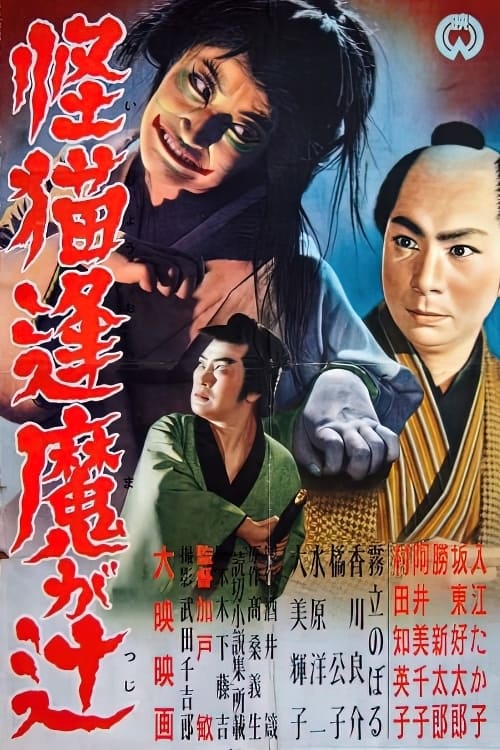
The Ghost Cat of Ouma Crossing
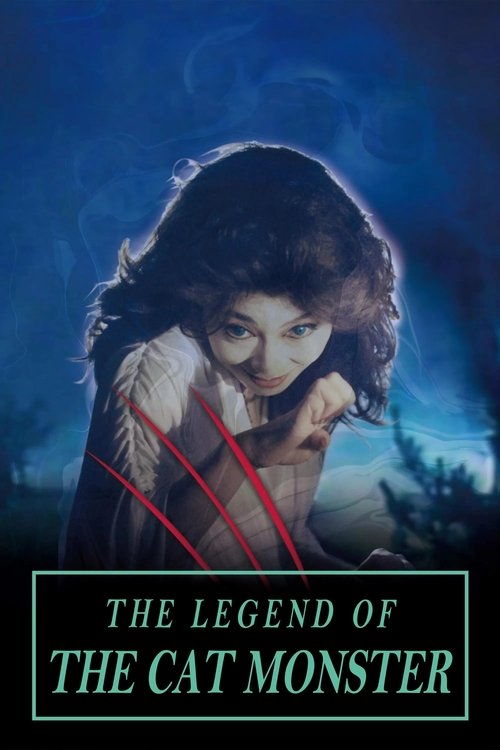
Legend of the Cat Monster
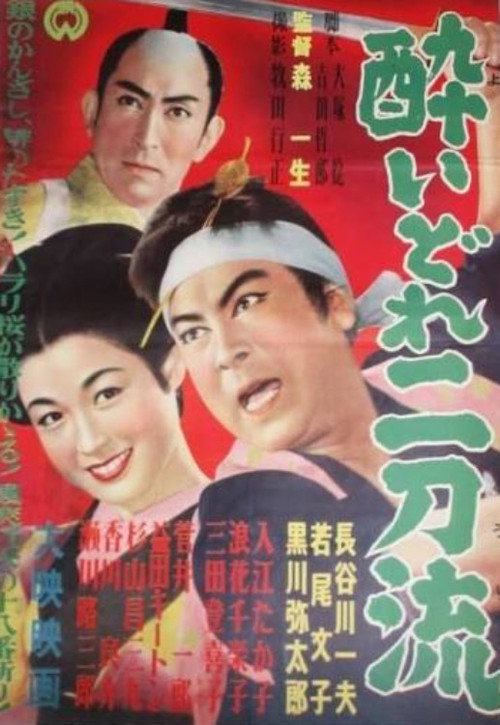
Yoidore nitōryū
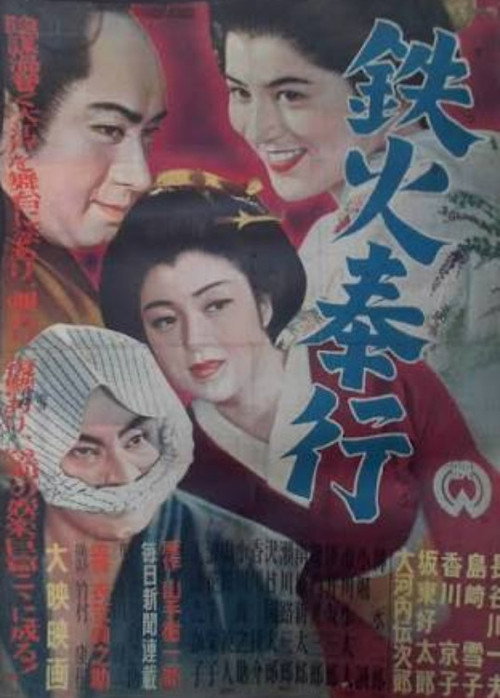
Tekka bugyō
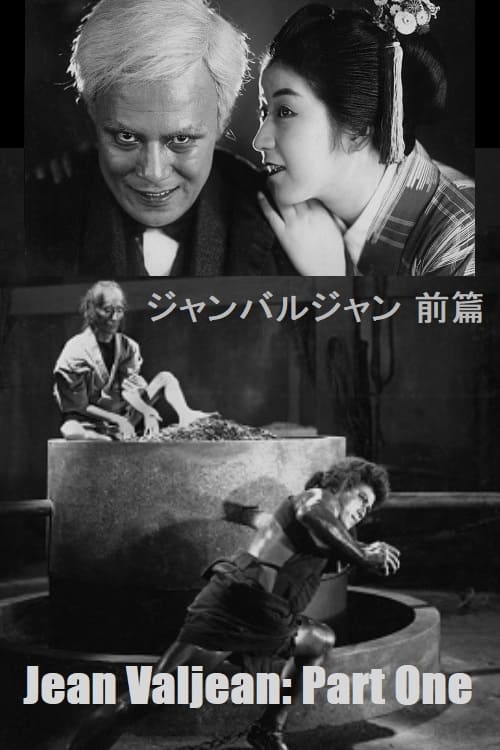
Jean Valjean: Part One
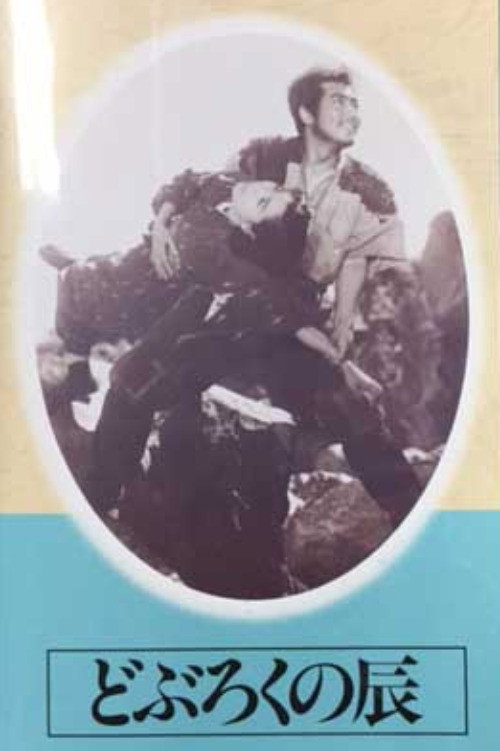
Doburoku no Tatsu
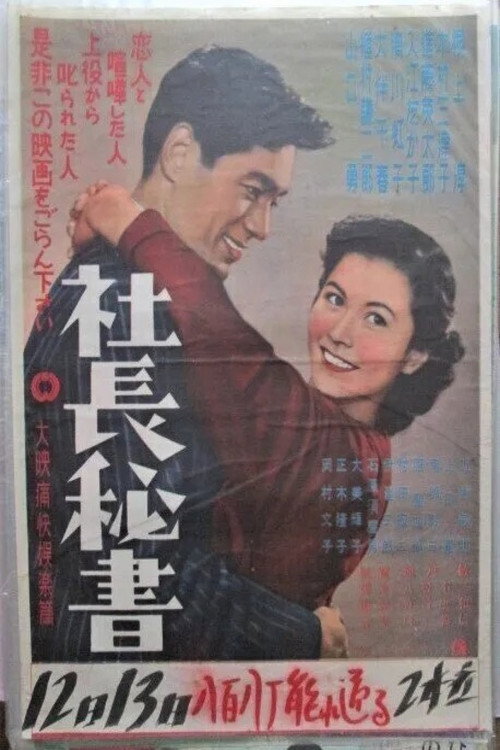
Shachō hisho
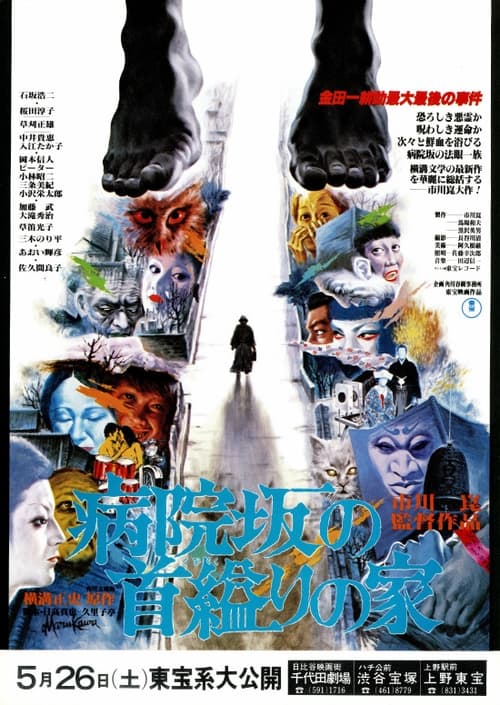
The House of Hanging

Tsumakoi kuroda bushi
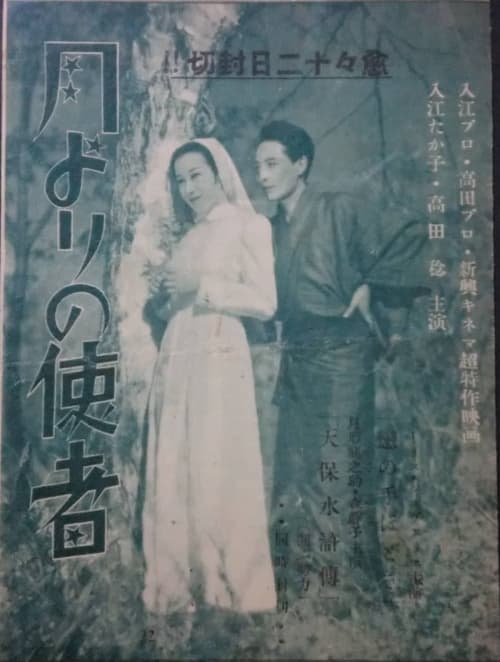
Tsuki yori no shisha